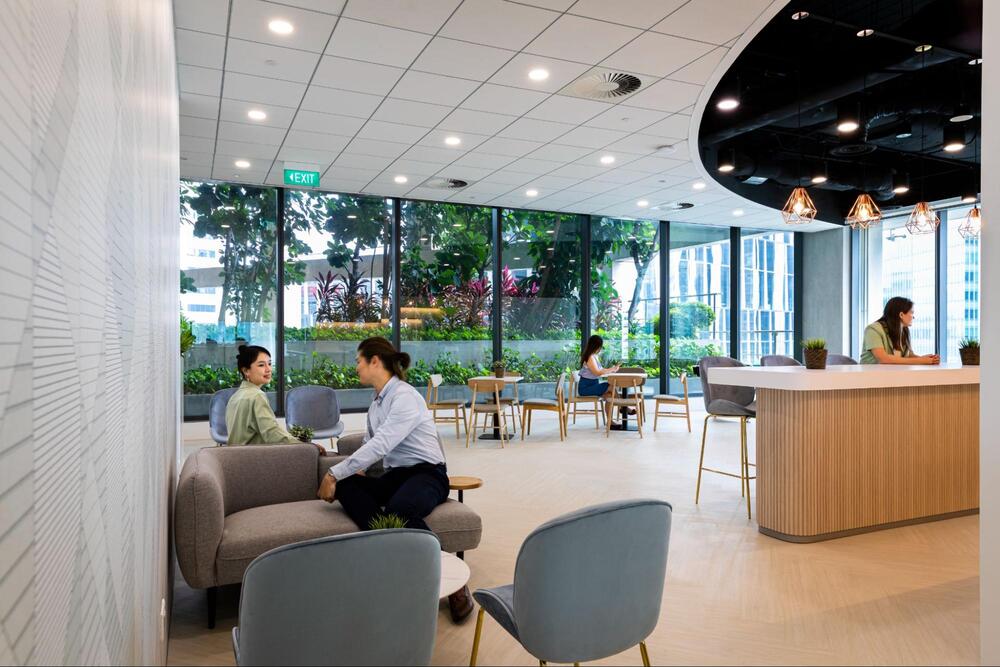
As workplace models continue to evolve, the office breakout area has become an essential component of modern office design. No longer viewed as a secondary or leisure-focused space, breakout areas now play a direct role in supporting productivity, collaboration, and employee wellbeing. In this article, OSCA Asia examines office breakout area design from a practical and strategic perspective. Read now.
1. What Is an Office Breakout Area? Benefits of a Well-Designed Office Breakout Area
An office breakout area is a dedicated space within the workplace that allows employees to step away from their primary desks to collaborate, reset, or focus in a different environment. Unlike a standard workstation, a breakout office is not task-specific. It supports multiple modes of work, including informal meetings, short breaks, solo thinking time, and social interaction.
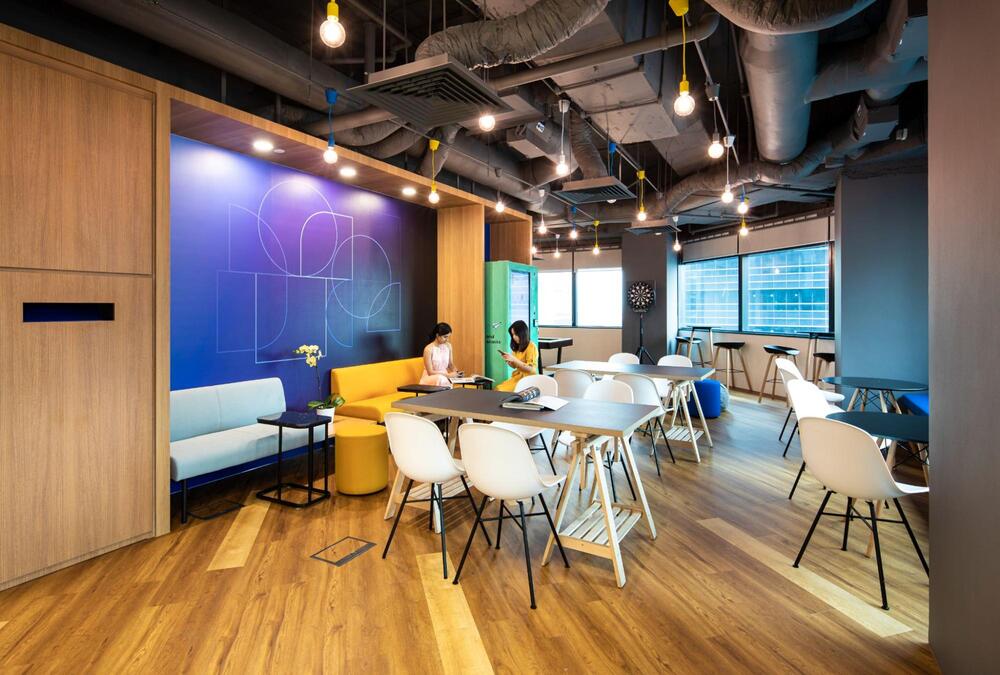
Modern office breakout area integrated into the main workspace
It is important to distinguish between breakout areas and other shared office spaces. A breakout room in office settings is often enclosed and used for short meetings or focused collaboration. A breakout area, by contrast, is usually more open and flexible. Pantry spaces focus on food and refreshment, while collaboration zones are often project-driven. A breakout area may combine aspects of all three, but its purpose is broader and less formal.
The benefits below explain why breakout areas are now a core requirement in modern workplaces.
Boosting employee productivity and creativity
A well-designed office breakout area supports mental reset by allowing employees to step away from fixed desks. This shift in the environment improves focus and reduces fatigue. A creative office breakout area also encourages idea sharing, as informal settings lower barriers to discussion compared to meeting rooms. Even a small office breakout area can support productivity when it offers a clear alternative to task-based work zones.
Encouraging collaboration and spontaneous interaction
An accessible office breakout space increases informal interaction between teams. These unplanned exchanges support knowledge sharing and faster decision-making. Compared with a closed breakout room in office layouts, open breakout areas feel less hierarchical and are used more frequently, strengthening cross-team collaboration without increasing meeting time.
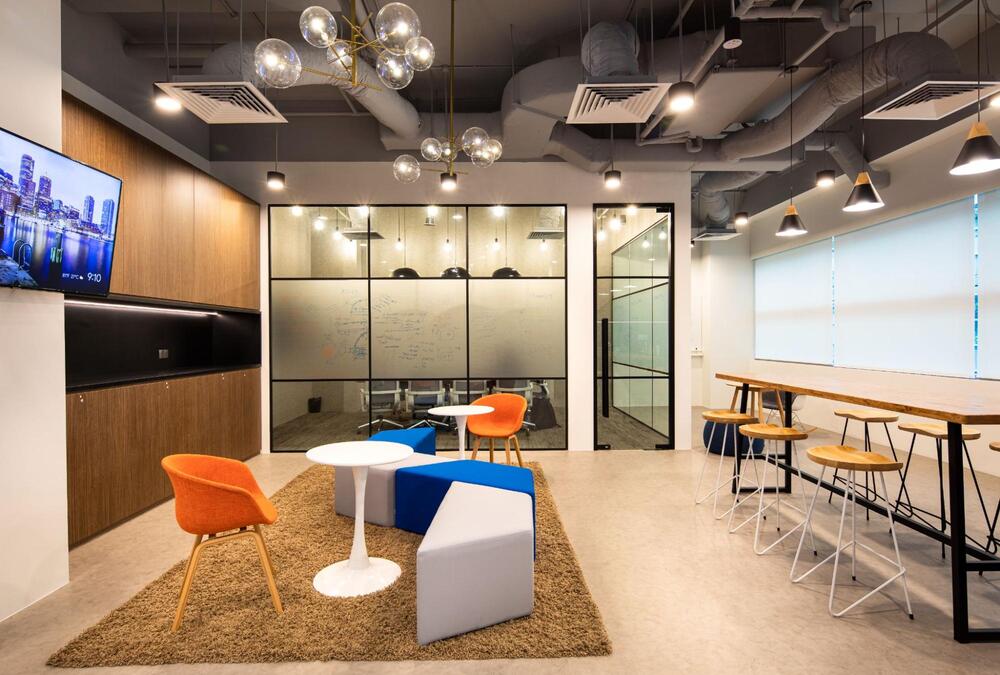
Creative office breakout area encouraging informal collaboration
Supporting employee wellbeing and mental health
A dedicated breakout space in office environments provides short periods of recovery during the workday. Moving away from screens and task pressure helps reduce stress and supports emotional balance. Over time, access to well-designed breakout areas contributes to improved job satisfaction and lower burnout risk.
Enhancing company culture and employer branding
An effective office breakout area design reflects how an organisation values its people. These spaces often shape first impressions for both employees and visitors. Clear, consistent office breakout area ideas reinforce company culture, support talent attraction, and position the workplace as modern, flexible, and people-focused.
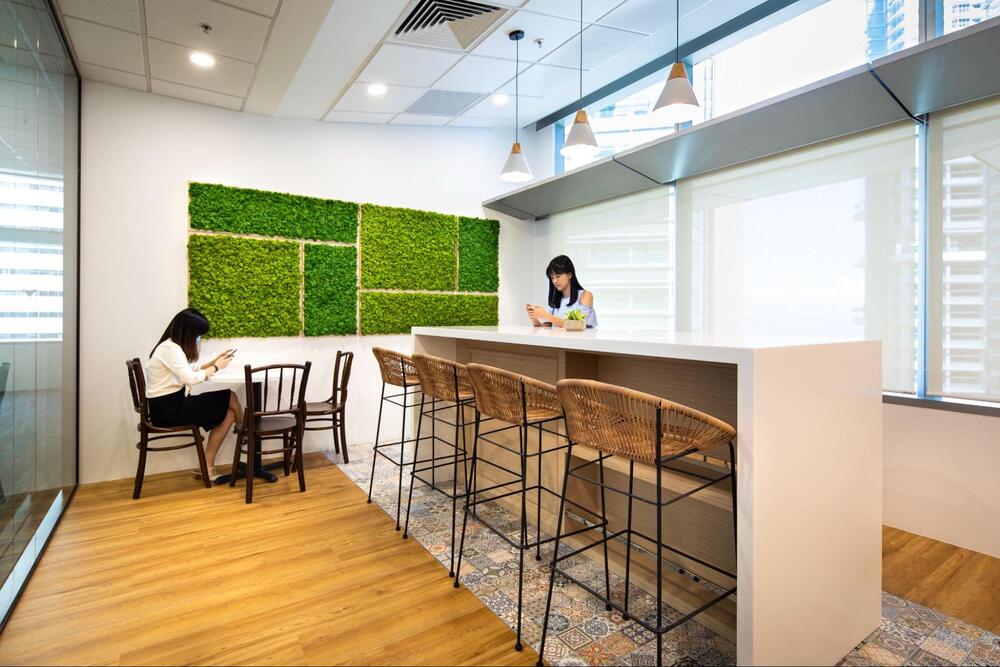
Breakout space in office environments improving daily work experience
2. Types of Office Breakout Area Designs
An effective office breakout area design is based on how people work, interact, and recover during the workday. Below are the most common and effective breakout area types used in modern offices, each serving a clear function within the wider workplace strategy.
2.1 Informal Collaboration Breakout Areas
Informal collaboration zones are designed to support short discussions, quick alignment, and idea sharing without the formality of a meeting room. This type of office breakout space is commonly used by project teams, design teams, and agile working groups.
These areas usually sit close to workstations to encourage frequent use. Unlike a closed breakout room in office layouts, informal collaboration areas remain open and visually accessible, which increases participation.
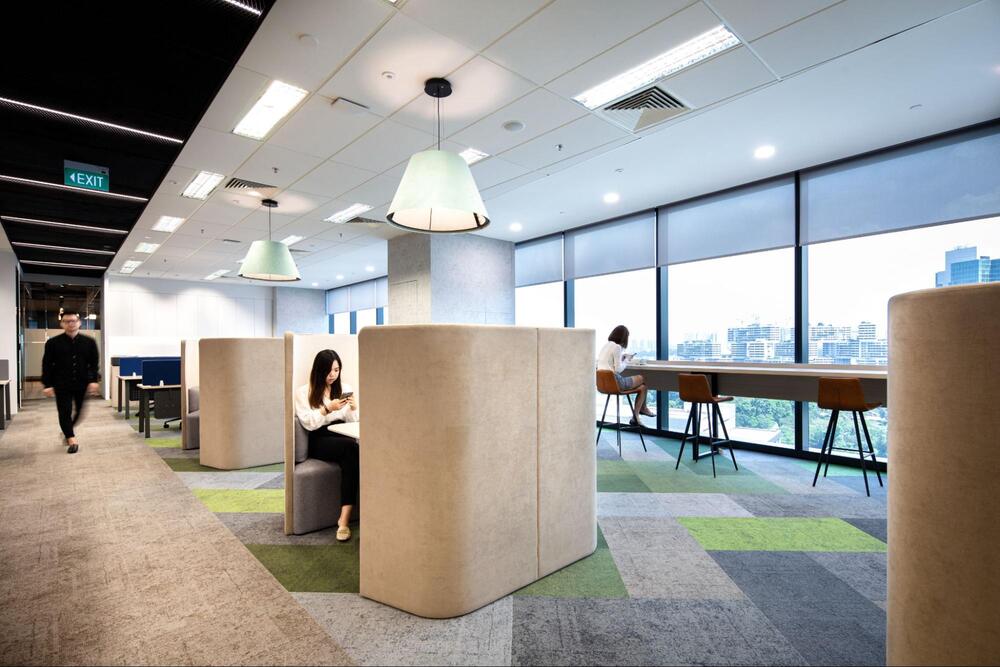
Informal collaboration breakout area with lounge seating
Key components include:
- Lounge seating or modular sofas that support small groups
- Lightweight tables that can be moved or reconfigured
- Whiteboards or writable walls for visual thinking
- Access to power and stable Wi-Fi
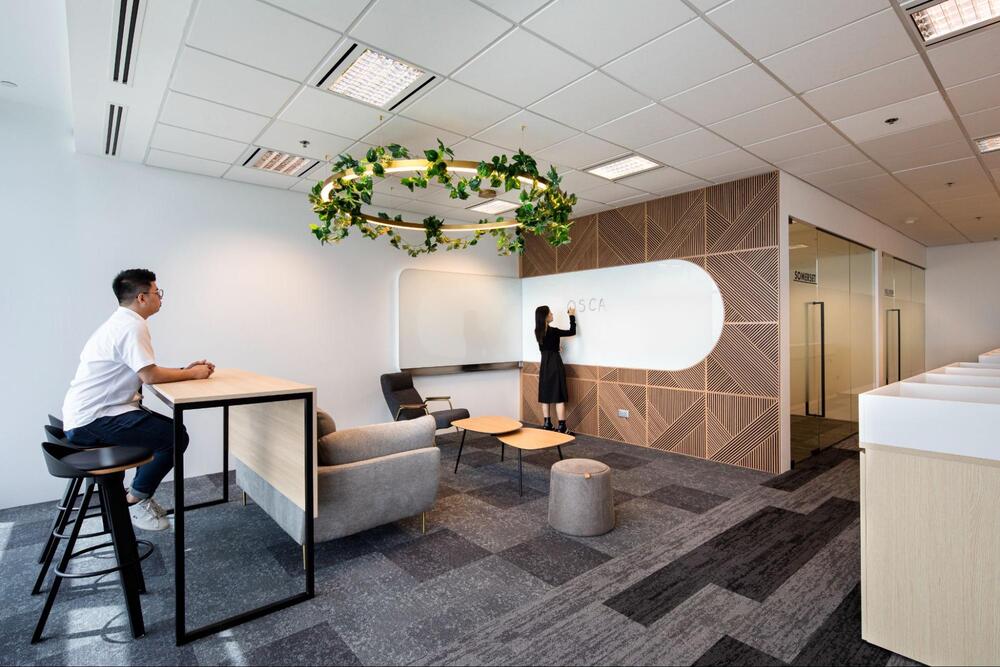
Breakout office zone designed for agile team discussions
2.2 Social and Relaxation Breakout Spaces
Social and relaxation breakout areas focus on rest, informal interaction, and social bonding. These spaces support employee wellbeing and workplace culture rather than task-based output. They are often located near pantry areas or common hubs.
Unlike a formal breakout room office, these areas encourage longer stays and casual use. They are important for reducing stress and supporting social connection across teams.
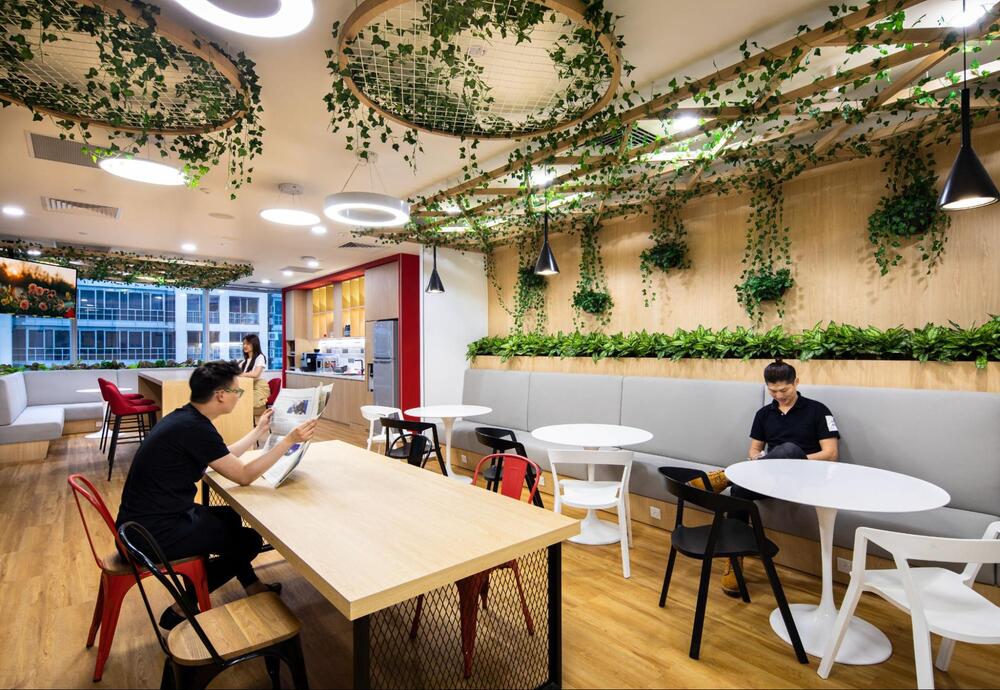
Social office breakout area designed for informal interaction
Common elements include:
- Café-style seating or communal tables
- Soft seating for informal conversation
- Game areas or low-engagement activities
- Clear separation from focused work zones
Breakout room office near pantry supporting employee wellbeing
2.3 Quiet Breakout Areas
Quiet breakout areas support focus, reflection, and short periods of deep work. These spaces are essential in open-plan offices where noise and visual movement are constant. A quiet office breakout space allows employees to manage their workload without leaving the office floor.
These areas are often enclosed or semi-enclosed, similar to a breakout room in office settings, but with a focus on individual use rather than meetings.
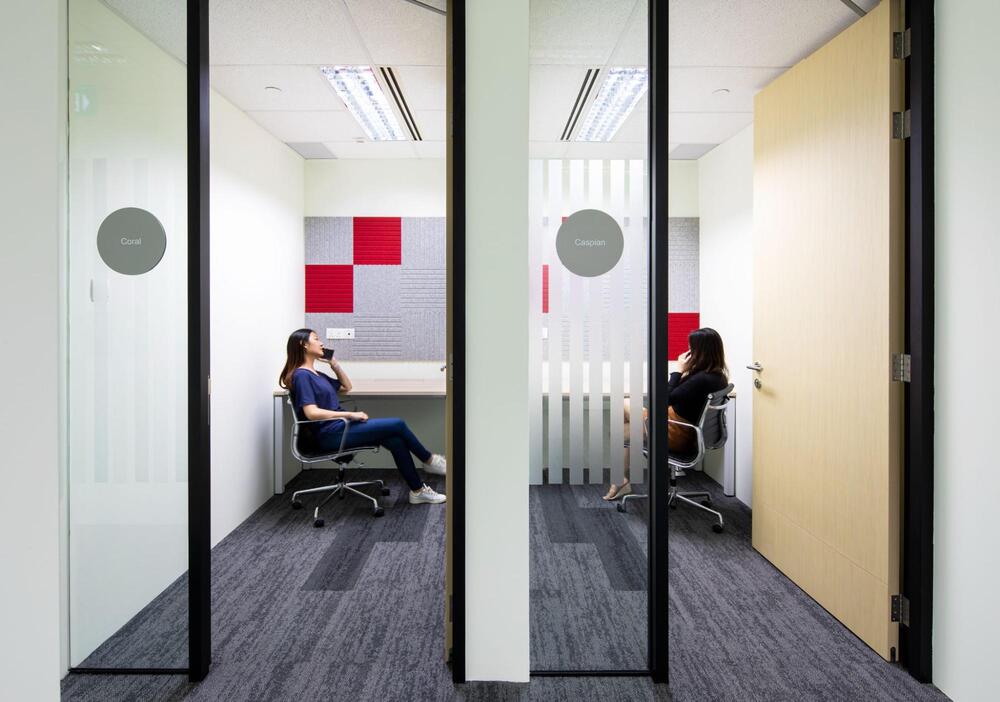
Quiet office breakout space with acoustic focus pods
Typical features include:
- Focus pods or acoustic booths
- High-backed seating for visual privacy
- Controlled lighting levels
- Strong acoustic performance
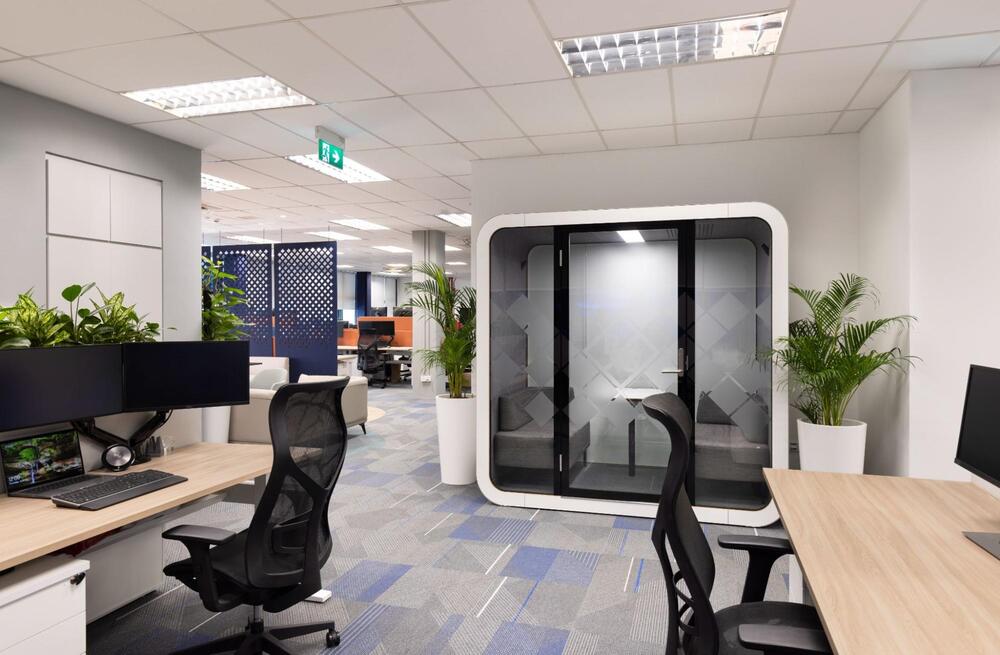
Breakout room in office designed for individual focus
2.4 Multi-Functional Breakout Zones
Multi-functional zones are designed to change use throughout the day. This type of office breakout area design supports meetings, town halls, training sessions, and social events within a single footprint.
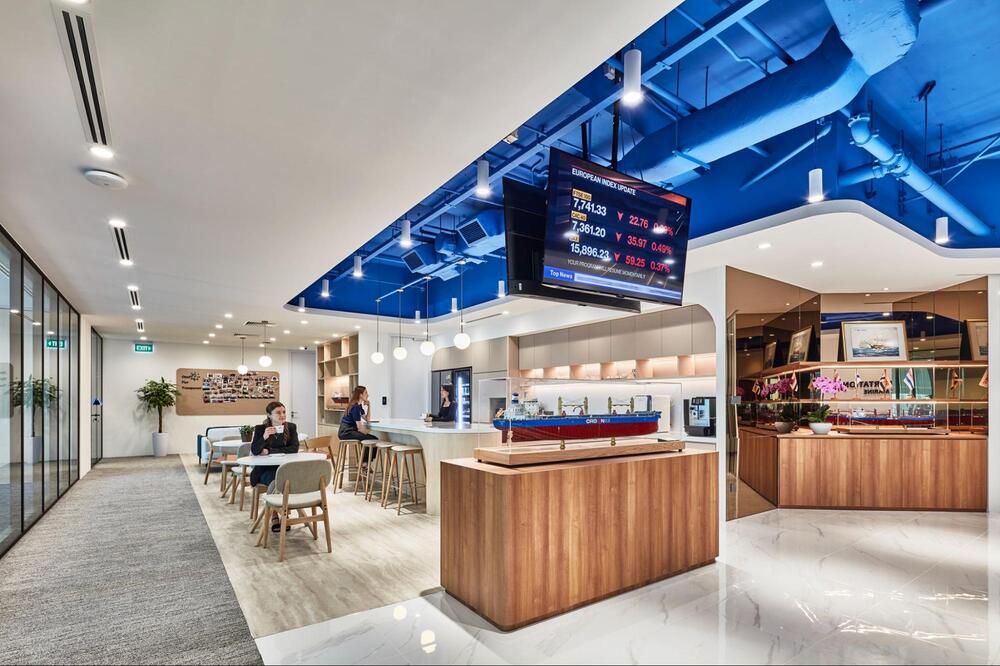
Multi-functional office breakout area for meetings and town halls
Key characteristics include:
- Movable furniture and stackable seating
- Retractable screens or mobile partitions
- Integrated AV and power solutions
- Clear storage for equipment
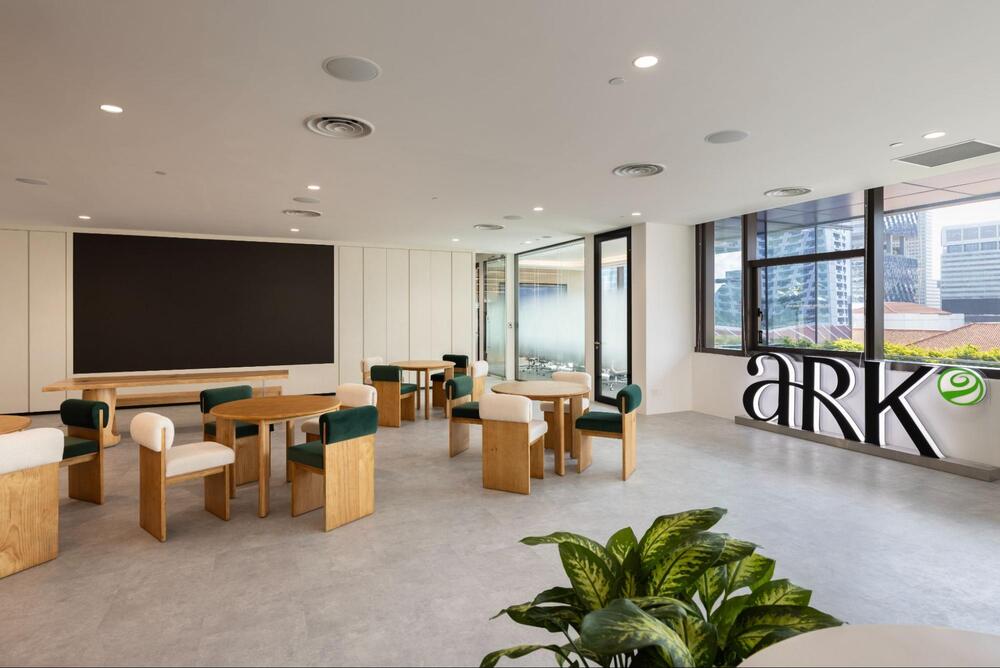
Flexible breakout space in office environments with movable furniture
3. Common Mistakes to Avoid in Office Breakout Area Design
Poor Acoustic Planning
Poor acoustic control is one of the most frequent failures in office breakout space planning. Breakout areas are often placed close to workstations or meeting rooms without enough sound management. This leads to noise spill, distraction, and conflict between teams.
Common acoustic mistakes include:
- No sound-absorbing materials on walls or ceilings
- Hard finishes that reflect noise
- Open layouts placed directly next to quiet work areas
To avoid this issue:
- Define noise levels for each breakout space in office zones
- Separate social breakout areas from focus areas
- Use acoustic panels, soft furnishings, or ceiling baffles
- Treat enclosed breakout room office spaces to limit sound leakage
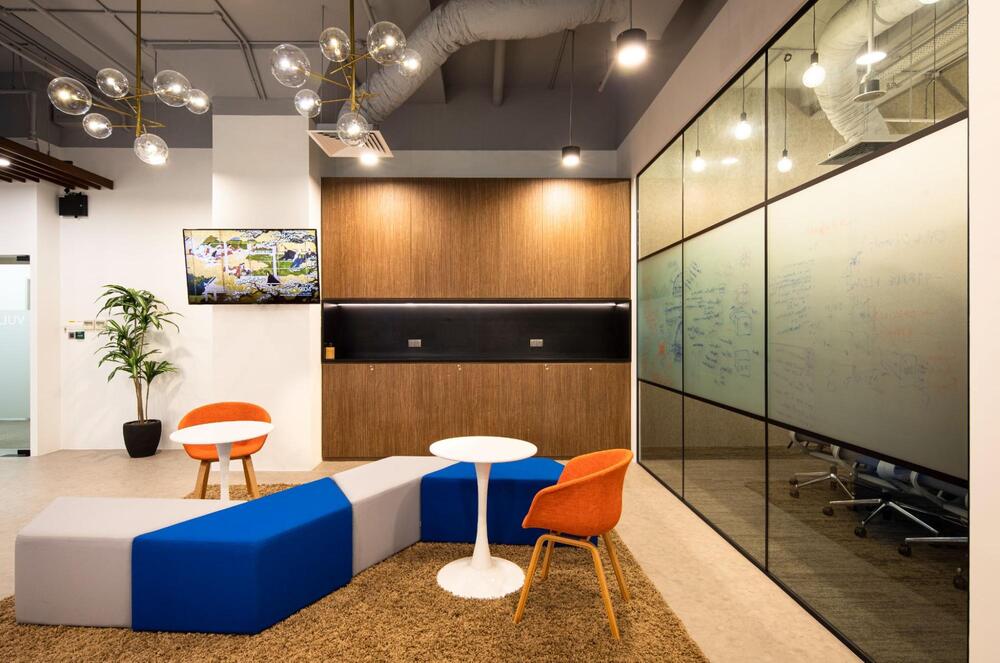
Office breakout area improved through acoustic planning
Overcrowded or Underused Spaces
Many office breakout area ideas fail because space demand is misjudged. Some breakout areas are too small and become crowded. Others are too large and remain empty. Both outcomes indicate poor space analysis.
Signs of this mistake include:
- Employees standing due to lack of seating
- Furniture that is rarely used
- Breakout areas avoided during busy hours
To prevent this:
- Assess how many people will use the breakout office at peak times
- Match seating capacity to actual behaviour, not assumptions
- Design multiple smaller breakout areas instead of one large zone
- Adjust layouts for a small office breakout area where space is limited
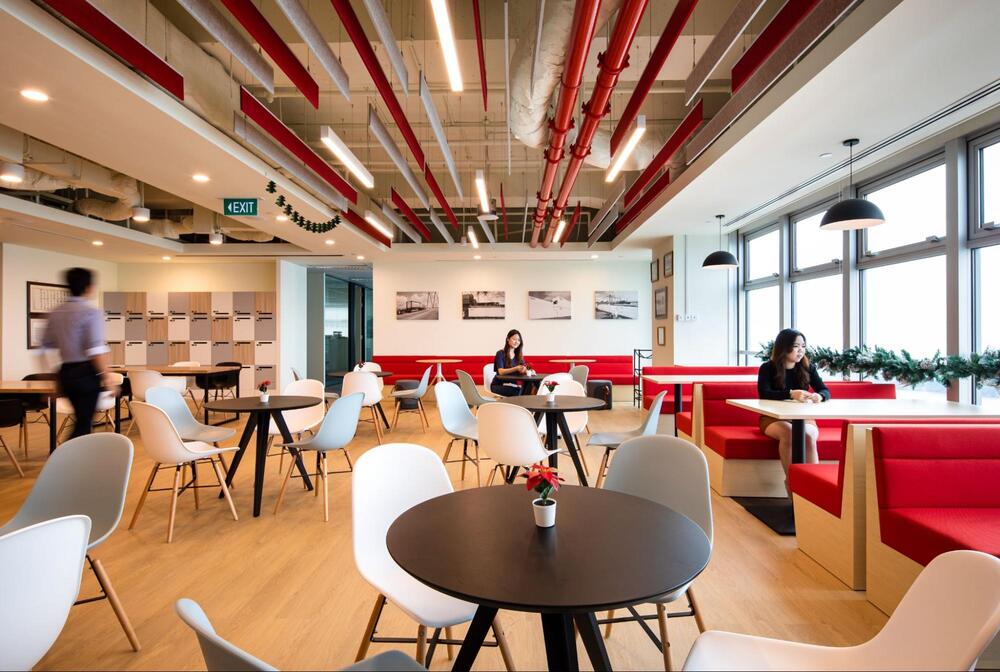
Optimised office breakout space with right-sized seating
Ignoring Employee Behaviour and Needs
Designing a breakout area without understanding how employees work leads to poor outcomes. Many office breakout area design projects focus on visual appeal rather than real use. This creates spaces that look good but fail in practice.
Common behaviour-related mistakes:
- One breakout type for all teams
- No quiet option for focused work
- No social space for informal interaction
To avoid this:
- Observe how employees currently use informal spaces
- Provide a mix of open and enclosed breakout room in office options
- Support different work modes within the same floor
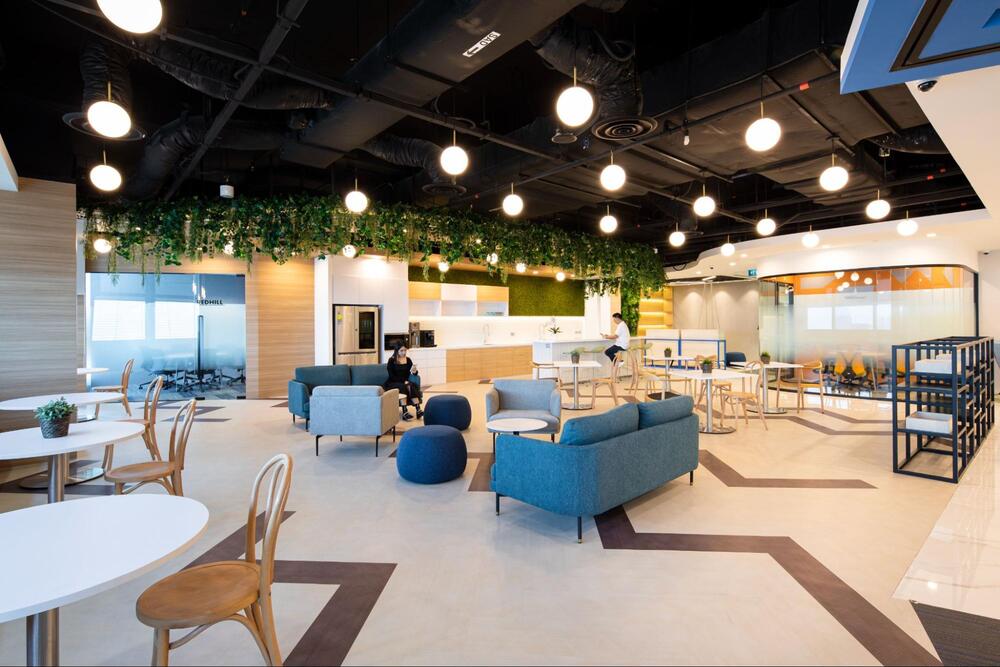
Breakout office designed to encourage regular use
Designing Without Flexibility
Rigid layouts limit the long-term value of a breakout area. Work patterns change, teams grow, and office density shifts. A fixed office breakout space becomes outdated quickly.
Mistakes include:
- Fixed furniture that cannot be moved
- Breakout rooms designed for one function only
- No allowance for future reconfiguration
To reduce this risk:
- Use modular furniture systems
- Design multi-use breakout space in office zones
- Allow spaces to switch between collaboration and events
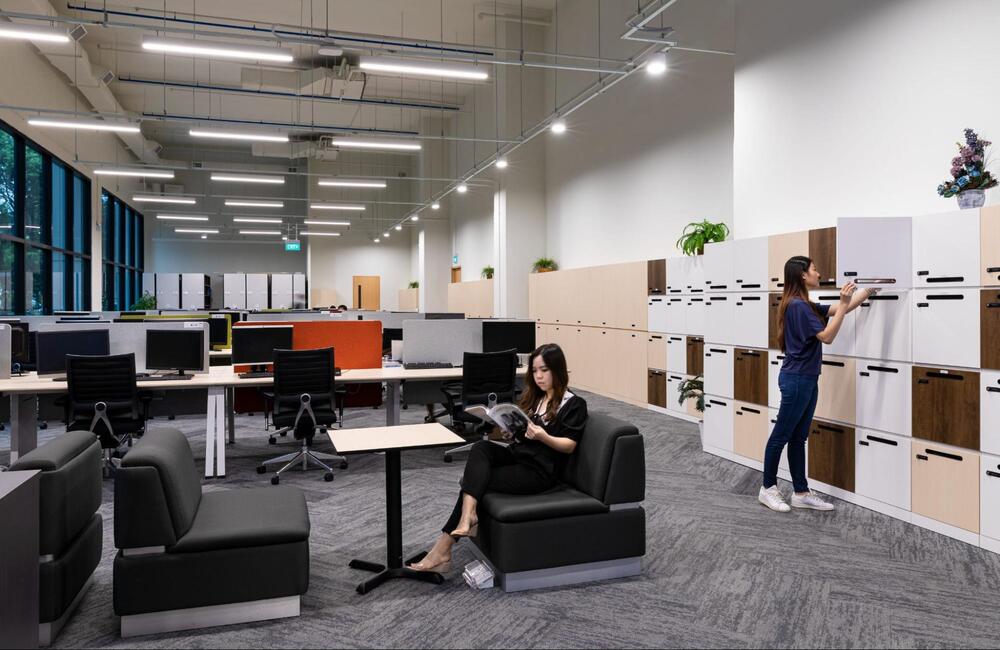
Adaptable breakout room office supporting changing work needs
4. Case Studies: Office Breakout Area Design in Singapore & Asia
Across Singapore and Asia, effective office breakout area design focuses on function, density, and employee behaviour rather than scale. OSCA’s regional projects show that a well-planned office breakout area can deliver strong outcomes even within limited floor space.
In high-density offices across Singapore’s CBD, OSCA integrates office breakout space into circulation zones to reduce pressure on meeting rooms. Instead of creating large central hubs, smaller breakout office zones are distributed across the floorplate to encourage frequent use.
Key outcomes include:
- Better use of underutilised space
- Reduced demand for enclosed meeting rooms
- Improved informal collaboration
This approach is effective for both large offices and small office breakout area layouts, where flexibility and proximity are critical.
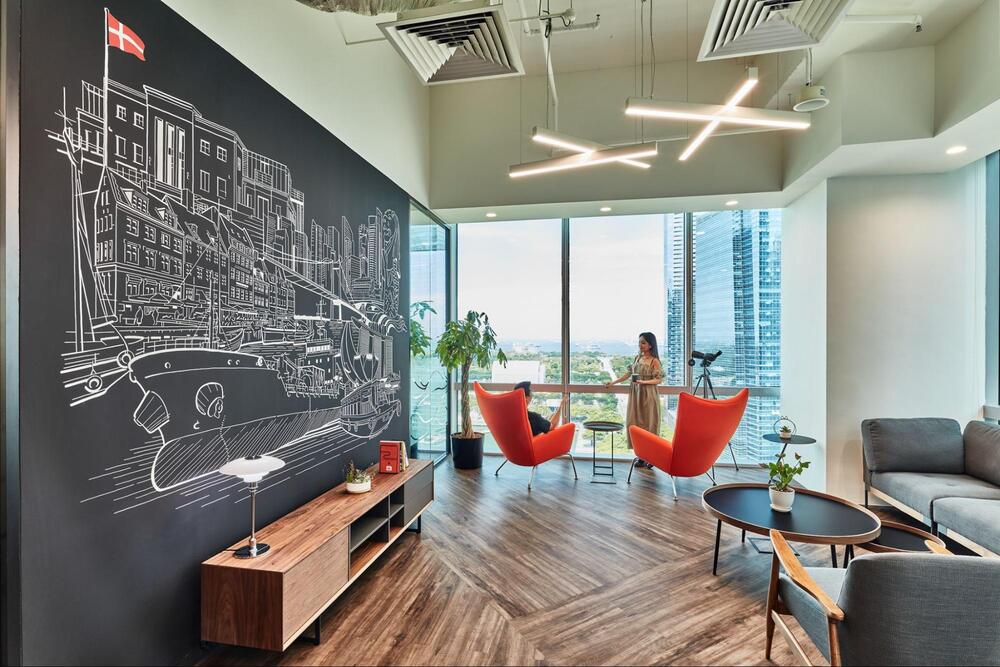
OSCA-designed office breakout area in Bunker Holding
OSCA applies different office breakout area ideas based on industry needs. Technology and gaming offices prioritise open, flexible layouts to support collaboration and creativity. Banking and consultancy offices favour a mix of open breakout zones and enclosed breakout room office spaces to balance interaction and privacy.
Post-occupancy feedback across OSCA projects shows higher satisfaction, increased use of informal spaces, and reduced reliance on formal meeting rooms.
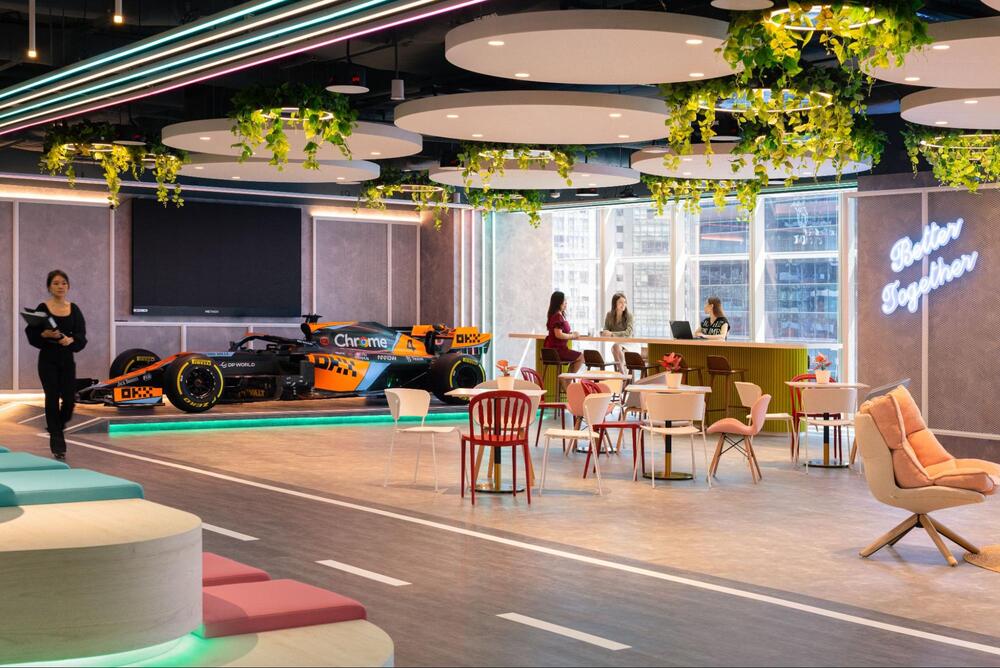
Industry-specific office breakout area design across Asia
The long-term value of office breakout area design lies not in visual appeal alone, but in its alignment with real work patterns and organisational goals. With extensive experience delivering workplace projects across Singapore and Asia, OSCA applies a strategic, evidence-based approach to breakout area planning. From compact small office breakout area solutions to complex multi-functional environments, OSCA designs breakout spaces that are practical, flexible, and fully integrated into the wider workplace strategy.